
If you have ever chased a bad beat over a fresh arvo coffee, you already know how quickly a session can slip from planned entertainment to something heavier. That is why learning how to avoid emotional betting matters more than chasing a flashy welcome package, especially when the desk is busy as and the next shift is already looming. I have spent years running recruitment ops across iGaming, IT, and finance, and the same discipline that stops a hiring pipeline from derailing under pressure applies here: set the guardrails before you start, not after.
Why Calm Play Beats the Rush
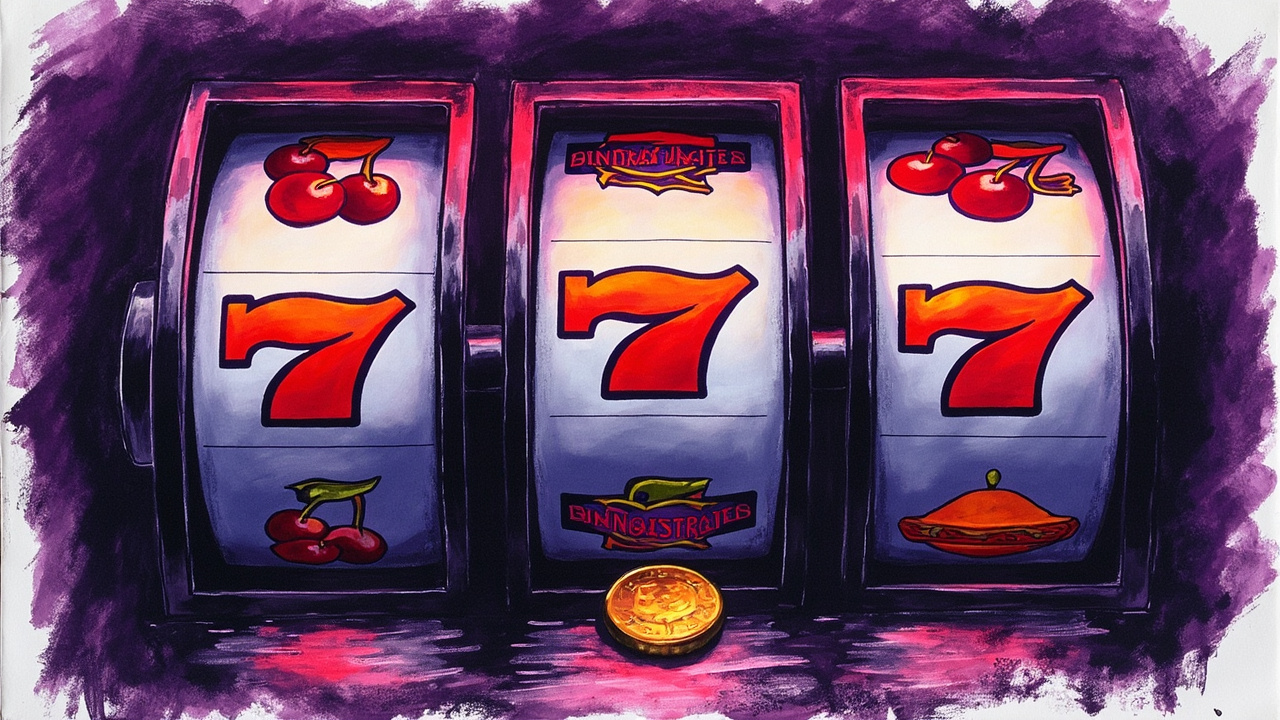
Most operators know how to sell the first deposit, but the real test is what happens after the initial promo fades. A platform built around how to avoid emotional betting treats recurring promos, cashback, loyalty tiers, and tournaments as the steady engine rather than a one-off sugar hit. I once coordinated a remote finance team where we tracked ATS workflows by outcomes, not activity volume, and the same principle holds: a table or slot session should be measured by whether your limits and pace still make sense, not by how loud the lobby feels. Casino Royale was Ian Fleming’s very first James Bond novel, published in 1953, and even that fictional operator knew the room could turn on a single tilt – real play is better served by a cooler head.
The practical difference shows up in the everyday details. Picture an ordinary Australian reader who logs on after work, sets a modest session cap, and treats a small cashback rebate as a buffer rather than a reason to reload. That habit keeps the evening from spiralling when a hand runs cold or a spin sequence goes quiet. In Perth, where a long week can leave you keen for a wind-down that does not eat into the next morning, a site that surfaces loyalty progress and repeat-play reasons without nudging you past your own limits is doing the job properly. Pot odds compare the call cost to the potential reward, and the same arithmetic applies to whether a bonus mechanic is actually worth your time once the first deposit bonus has been used.
| Feature | How it supports calmer play |
|---|---|
| Cashback rebate | Softens a rough session without rewarding a reload spiral |
| Loyalty tiers | Rewards steady pace rather than aggressive volume |
| Tournaments | Adds competition without forcing extra stakes |
| Session limits | Keeps the evening inside a pre-set boundary |
Building Your Own Guardrails
The first layer is a hard stop you set before the first click, not a vague intention you hope to remember later. Decide the amount you are comfortable spending for the session, the time you will give yourself, and the result that means you walk away – win, lose, or simply tired of the screen. I have seen recruitment pipelines go sideways when coordinators chased every lead instead of protecting the schedule, and betting sessions fail the same way when there is no stop rule. Put the limit in writing, keep it visible, and treat it like a roster you are not allowed to override on a whim.
The second layer is pace and environment. A noisy lobby, a streak of near-misses, or a mate in the next room egging you on can all pull you off your own line. If you are playing on mobile, close the extra tabs, mute the chat prompts that beg for another spin, and keep the device out of reach once the timer you set has run out. The goal is not to sterilise the fun; it is to make sure the fun is the thing you chose, not the thing that chose you. When the screen starts to feel like it is pulling rather than inviting, that is your cue to stand up, grab a drink, and reassess.
When the surrounding chaos reaches a tipping point, it becomes nearly impossible to maintain the focus required for disciplined decision-making. That is why many seasoned players step away from the table and play wanted dead or a wild to reset their mental rhythm. You can find more strategies for managing environmental distractions at https://wanteddeadorawildau.com/en-aus.

The third layer is how you treat bonus mechanics once the welcome offer is in the rear-view mirror. Recurring promos and loyalty rewards are useful when they fit a pace you already control, but they become a trap when they are used as an excuse to keep going past your limit. A cashback that arrives as a small buffer is worth more than a flashy multiplier that asks you to stake higher to qualify. Tournaments can be a healthy change of scene if you enter for the competition and leave when the bracket is done, not because the prize pool is whispering you into another hour. The test is simple: if the promo is the reason you are still there, it is working against you; if it is just a nice extra on top of a session you would have enjoyed anyway, it is doing its job.
- Write your session cap and stop condition before you log in.
- Keep the device and the lobby quiet enough that you can hear your own judgement.
- Treat recurring promos and cashback as a buffer, not a reason to reload.
- Leave a tournament when the bracket is done, not when the prize pool gets loud.
Who This Approach Fits Best
This style suits players who want a regular, repeatable evening rather than a adrenaline spike followed by regret. If you are the sort of person who likes a clear roster, a measured pace, and a site that does not nudge you to override your own limits, you will find more use here than someone chasing a big single-session hit. It also suits players who value mobile convenience without wanting the app to behave like a salesman in their pocket. A short registration that keeps the essentials upfront, payments in Australian dollars so the numbers on screen match the numbers in your head, and support that answers plain questions without the runaround all make it easier to stick to your own rules. There is no magic here, and no platform can guarantee a result, but a setup that respects your limits and keeps recurring value visible is one you can come back to without the session turning into a mood.
When the welcome offer has been used and the first week is over, the question is whether the place still makes sense for repeat play. Ongoing promos, a loyalty ladder that recognises steady pacing, and tournaments that give you a reason to return without raising the stakes are the signs that the operator is built for the long haul rather than the first deposit. I have always judged remote coordination by whether the system kept working when the hype was gone, and the same test applies here: after the arvo crowd has thinned and the bonus terms have been read, does the experience still sit comfortably inside your own boundaries? If it does, you have found a way to keep the entertainment on your side.